Author: Paul Monroe

  • Gardening in the Humid Cold: Old Wisdom Meets New Climate.

    Gardening in the Humid Cold: Old Wisdom Meets New Climate.

    “A guide to combining passed-down gardening wisdom with new tools and weather data to successfully grow crops in a humid cold, changing climate.”
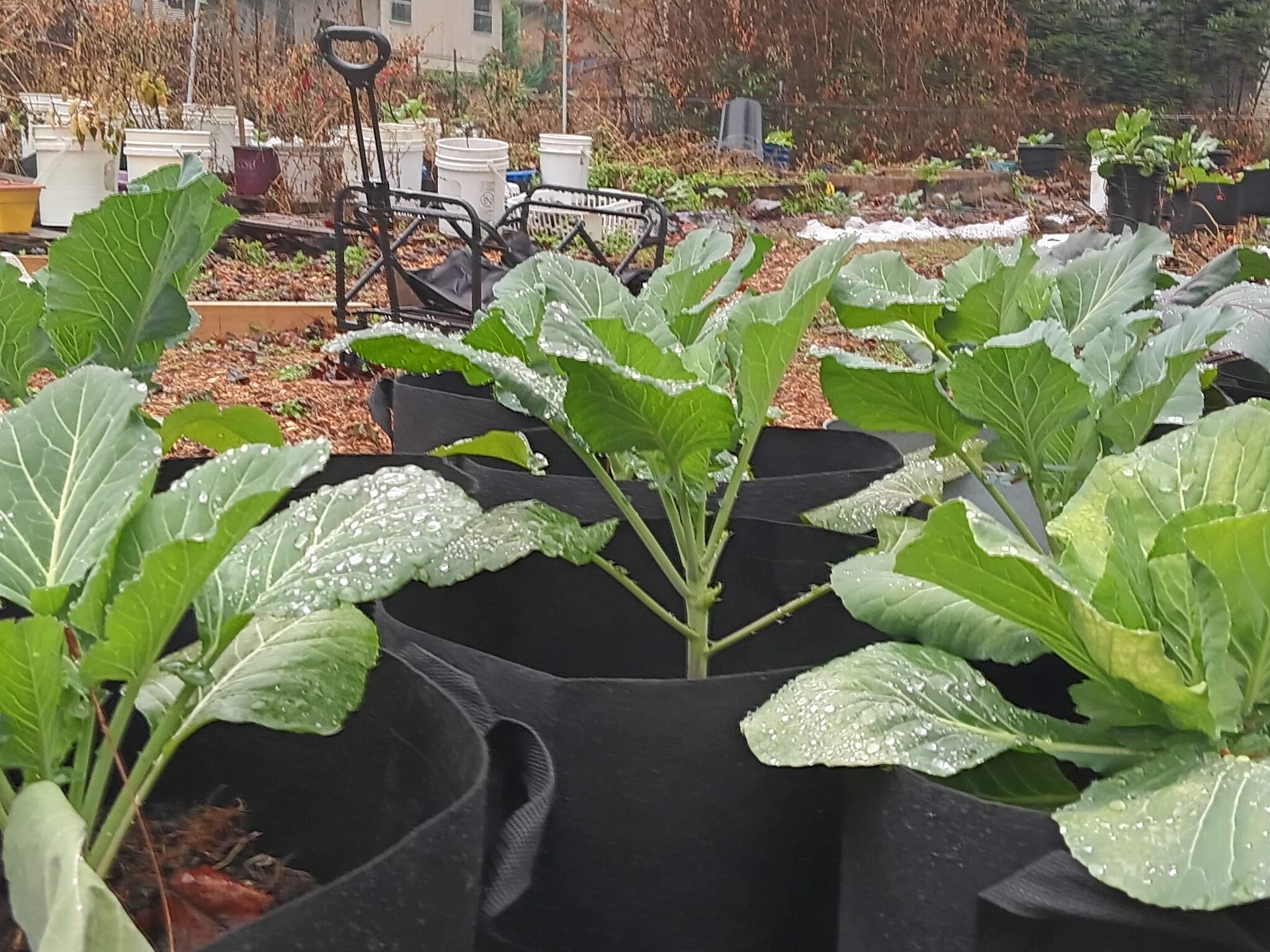
    There are mornings in my zone 8b garden when the air feels almost cold on my face, but my brassicas say otherwise. The thermometer at the kitchen window might read a crisp 45°F. The forecast app might paint the day in cool blues. But the plants, sitting in a pocket of damp air, are living closer to 55°F than anyone admits.

    “We need the cold,” one old timer likes to remind me. It is a line with decades of crops behind it, a kind of verbal fertilizer sprinkled over every conversation about cabbage and collards. For a long time, I treated that sentence like code: wait for a clean, honest chill before tucking in anything that loves the cold.

    The trouble is, the chill itself has changed.

    In my lifetime, zone 8b has shifted at least twice on paper, and even more times in feeling. Winters come on later and leave sooner. Humidity hangs around like an extra blanket, turning “cool” nights into something softly, secretly warm. The dry‑bulb temperature still says one thing, but the plants live in another.

    So these days, I still listen when the elders talk about cold fronts and brassicas. I just keep one ear on them and one eye on the graph in my weather app. The Ol’ Way has not disappeared here; it is plugged into a new system. What follows is how I garden in the humid cold now, stitching together grandma’s rules, a few cheap sensors, and a lot of trial and error into a practice that actually fits the weather we have.

    The old folks had their own kind of AI: elders passing down heuristics like weather lore and planting rules. Their sayings weren’t algorithms, but they worked like code snippets. “We need a good hard frost.” “Don’t plant until after Easter.” “Brassicas like the cold.” Each line was a call to action, a reminder to heed the rhythms of the season.

    In the 1920s, bone meal and blood meal were the “formulas” that helped launch home gardening as we know it — simple inputs, surprisingly effective. A century later, plenty of growers still swear by them. Hollis and Nancys Homestead on YouTube carry that torch, demonstrating the Ol’ Way in real time: a scoop of bone meal here, a handful of compost there, and a running commentary full of those old if‑then rules.

    The Ol’ Way is less about products and more about patterns. Frost dates scribbled on a calendar. The feel of soil between your fingers. The way a leaf curls to tell you it is thirsty or cold. These rules are the API of gardening wisdom, passed down in porch talk and field notes, half science and half story.

    I grew up inside that system. When I quote an elder saying, “We need a good hard frost,” I am not just reaching for a charming line. I am tapping into a living codebase of experience, the heritage script that still underpins everything I do in the garden. These days, though, I am also running new tools on top of that old API — forecasts, cheap sensors, garden apps — because the weather those sayings were written for has changed.

    🌍 The New Climate Reality

    Zone 8b has pulled a quiet switcheroo at least twice in my lifetime, and with it the rules I thought I could trust. What once felt like crisp, cool air now hides invisible heat — humidity that makes the day feel ten degrees warmer than the thermometer reads. The Ol’ Way says “we need the cold,” but the cold itself has grown slippery.

    Concrete mismatches keep piling up:

    • Frost dates that slide later and later. Lisa Ziegler at The Gardener’s Workshop taught me the old trick of laying a simple frost barrier and leaving it, but these days Jack Frost does not show up until November. In 2024, he waited until around the 20th.
    • Crops bolting earlier than expected. Succession planting can soften the blow, but the rhythm feels off.
    • Diseases and pests arriving out of season. Turnip greens with holes in November should not be happening. Yet here we are.

    If you garden in a humid cold, you may already feel that mismatch between the calendar and your beds — doing everything “right” and still watching the season slip sideways. The problem is not that the elders were wrong. It is that the weather quietly changed underneath their rules.

    This fall I chased the big one — a big Ol’ head of cabbage, the likes of which I had not grown before. My code was succession planting, the Ol’ Way. But I still have not learned exactly when to plant for the head to size up right.

    Summer was brutal, not just here but across the U.S. Chicago saw record August temperatures. I thought about starting cabbage then, but cutting back tomatoes, chasing cucumber beetles and pickleworms, and keeping up with watering wore me thin. I water by hand, working from home, because I want that to be my primary method. Rain comes in a pattern of deluge and drought, so container plants sometimes need three passes of water a day. Oddly enough, okra and peppers in the ground thrived, hitting the table shelf and mostly sustaining themselves.

    But the cabbage was my quarry.

    I finally planted in mid‑September during a cool spell, starting with ten of forty‑five seedlings, then adding more. I leaned on another Ol’ trick: plant a variety of brassicas. Some say purple varieties like Early Acre (mine from Everwilde, in a packet full of beautiful packaging and words of wisdom) can shelter faster growers like Katarina from Hoss Tools. Two weeks in, I saw development. Two weeks later, I could tell I would get more cabbage than before — but the timing window for a truly big head had slipped away.

    What I have discovered is that I will need to start cabbages in the heat of August and use mitigations like shade cloth to bring them up. That is the new reality: adapting the Ol’ Way to conditions that no longer match the calendar. Even so, I have already harvested Chinese cabbage this season — proof that growth is still possible, just not on the old schedule.

    “The garden suggests there might be a place where we can meet nature halfway.” – Michael Pollan

    🌱 Hybrid Practice: Old Wisdom + New Tools

    So how do you actually garden in this humid cold, with elders in one ear and an overheating planet in the other? I have started treating my garden like a conversation between old rules and new tools. The Ol’ Way gives me the heuristics, the sayings, the porch‑talk wisdom. The new tools give me data, alerts, and ways to adapt when the weather shifts underneath those rules. Together, they form a hybrid practice.

    ⏳ Timing cabbages

    The old timers say brassicas need the cold, and they are right — but the cold arrives later now, and the window for a big head of cabbage is narrower. I have learned to start in August, even in the heat, and use shade cloth to protect seedlings until the nights cool. Forecast graphs help me decide when to risk planting, and succession planting — an Ol’ Way trick — still gives me backup if the first round bolts.It is a remix: grandma’s rules patched with forecast graphs. For a complete breakdown of timing these shifts, see my A-Z of Spring Gardening guide.

    💧 Water and containers

    The Ol’ Way taught me to “watch the soil” and water by hand. I still do that, but I have added a rhythm: three passes on container plants during deluge‑and‑drought cycles. A simple moisture meter helps me confirm what my hands already know. The elders’ advice — “do not let it dry out” — becomes a schedule I can track, blending tactile wisdom with a cheap sensor.

    🛡️ Protection and microclimates

    Old wisdom says “lay the frost cloth and leave it.” I still do, but now I check forecast alerts to know when Jack Frost is actually coming. A cheap sensor tucked in the bed tells me when the microclimate dips below safe levels. The Ol’ Way gave me the cloth; the new tools tell me when to use it. Together, they create a patchwork of protection that feels both timeless and timely.

    🌿 A three‑way conversation

    I used to think you had to choose between the Ol’ Way and the new tools. Now I see them as a kind of three‑way conversation: elders and neighbors, the plants themselves, and a quiet AI helper that remembers what I forget. As a fledgling writer, I get to wander through the garden in an expansive, story‑drunk way, while the machine keeps the ledger — dates, temps, failures, little wins. The garden is my field, the blog is my logbook, and the AI is my chronicler.

    But here is the truth I am learning: you do not have to garden or write alone. The elders lend us their rules. The garden offers its feedback. And the AI can sit in the background as a steady logger, so you and I are free to wander, notice, and make meaning.

    “When the calendar and the climate mismatch, how do brassicas thrive? Learn how to navigate shifting frost dates and invisible heat in Zone 8b by blending old-timer techniques with new technology.”

  • The 26 Steps to Thriving in Spring Gardening: An A-Z Guide

    The 26 Steps to Thriving in Spring Gardening: An A-Z Guide

    The Best Ways to Win in Zone 8b Gardening?

    How Do You Garden Successfully in Humid Cold Conditions?

    Welcome, fellow gardener! Spring gardening in Zone 8b dances to its own tune—one that’s a bit different from what the old guides suggest. We’ve got what I call the “humid cold,” where that invisible weight of humidity meets unpredictable cold snaps, and you need both grandma’s wisdom and a good soil thermometer to navigate it all. This guide is here to walk alongside you through the season, whether you’re just getting your hands dirty for the first time or you’ve been at this for years.

    For research-backed guidance on South Carolina gardening, Clemson’s Home & Garden Information Center provides excellent resources alongside the hands-on experience shared here.


    🛠️ Your A-Z Companion for Spring Gardening

    • A – Assess & Amend: Start with a slow walk through your garden. See what winter left behind, feel your soil, notice what needs attention. A little compost or bone meal now sets the stage for everything that follows—it’s the foundation the whole season grows from.
    • B – Brassica Basics: If you’re reading this in winter without a stand of cabbage, collards, or kale out there—you’re not alone. That August planting window for winter harvests is easy to miss. But here’s the good news: you can still get spring brassicas in the ground in late February or early March for an April-May harvest. Just know they’ll be racing against that sneaky spring heat, so choose fast-maturing varieties and watch your temperatures closely.
    • C – Clean Slate: I do a little tidying—clearing away last year’s debris to discourage aphids and those diseases that love humid hiding spots—and then a little covering to really set back those heathens. Woven ground cover (y’all know it as landscape fabric) gives you a head start on weed pressure. More on nomenclature later, but the principle is simple: tidy up, then cover what you can.
    • D – Divide Perennials: Spring gardening offers the perfect opportunity for splitting up crowded perennials like hostas or daylilies. Give them room to breathe, and suddenly you’ve got free plants to fill in other spots—nature’s generosity at work.
    • E – Edging: A little edging work with a spade keeps the grass from sneaking into your beds and gives everything that crisp, cared-for look. Plus it helps with drainage, which is always a friend in humid country.
    • F – Frost Watch: The calendar is a good starting point, but your garden has its own personality. Sensors or weather apps help you see what’s really happening right there in your beds—especially as Zone 8b keeps shifting on us.
    • G – Germination: Keep a finger on soil temperature—it’s different from the air temp, especially in our humid cold. Most warm-season seeds for spring gardening are waiting for that sweet spot between 65°F and 85°F before they’ll wake up and grow.
    • H – Hardening Off: Give your indoor seedlings a gentle introduction to the real world—a little more wind and sun each day over a week or so. They’ll adjust without going into shock when spring weather gets moody.
    • I – Irrigation Audit: Walk your lines now—check those drip systems and hoses for leaks and clogs. Much better to find them in pleasant spring weather than when July hits and everything is crying for water.
    • J – Journaling: Keep a garden notebook—nothing fancy, just dates, what worked, what didn’t, when the weather surprised you. Over the years, you’ll see patterns emerge that are truer to your plot than any general guide.
    • K – Knowing Your Zone: Zone 8b isn’t what it used to be—frost dates shift, heat patterns change, humidity does its own thing. Pay attention to what’s happening right where you are, because that local knowledge becomes your edge.
    • L – Lettuce Succession: Instead of one big lettuce planting, try small batches every two weeks. You’ll have fresh greens coming along all season, and one surprise heat wave won’t take out everything at once.
    • M – Mulching: Most warm-season seeds for spring gardening are waiting for that sweet spot. Use whatever you’ve got organic mulch—bark, leaves, straw, . It evens out soil temperature, holds moisture when things get dry, and keeps the weeds from stealing the show.
    • N – Nitrogen Management: Some plants are hungrier than others—brassicas and tomatoes especially. They’ll appreciate nitrogen-rich compost, blood meal, or organic fertilizer to keep them fed and happy.
    • O – Observation Walks: Make it a habit to wander through the garden every day if you can. You’ll catch pests, diseases, or stress signs early, and honestly, it’s the best part of the day.
    • P – Pest Prevention: A little prevention goes a long way—row covers, beneficial insects, good companion planting. Address problems early and you’ll rarely need to bring out the big guns.
    • Q – Quick Crops: Tuck in some fast growers like radishes, arugula, and baby greens. They’ll give you something to harvest while you’re waiting on the long-season crops to do their thing.
    • R – Raised Beds: If you’re working in humid cold country, raised beds can be a game-changer. They drain better and warm up faster in spring, giving you a head start of a few weeks.
    • S – Succession Planting: Rather than planting everything at once, stagger your lettuce, radishes, and beans every couple weeks. You’ll have a steady stream of harvests, and weather surprises won’t wipe out the whole show.
    • T – Temperature Tracking: Track both air and soil temps if you can. The difference between them—especially in humid cold—tells you a lot about when to plant what.
    • U – Underplanting: Make use of vertical space by tucking shade-loving crops like lettuce under taller plants like tomatoes. You’ll get more from every square foot.
    • V – Variety Selection: Not all varieties are created equal in our climate. Look for ones bred for humidity and disease resistance—things like Katarina cabbage or Early Acre that actually want to grow here.
    • W – Watering Wisdom: When you water, water deep rather than often. It encourages those roots to reach down where the moisture stays more consistent, making plants stronger overall.
    • X – eXperimentation: Keep a corner of your garden for trying new things—different varieties, techniques, or timing. That’s how you figure out what works as conditions keep changing.
    • Y – Yield Tracking: Jot down what you actually harvest—which crops, which varieties, how much. Over time, those notes become your best guide for what’s worth growing.
    • Z – Zone Defense: Don’t forget about the neighbors—deer, rabbits, and other critters. A little strategic fencing or the right companion plants can save you a lot of heartache.

    Ready to Get Your Hands Dirty?

    Spring in Zone 8b gardening is unlike anywhere else—our humid cold creates challenges and opportunities that generic gardening guides just don’t address. But that’s what makes it interesting. Every season teaches something new about timing, varieties, and the way your specific plot of ground behaves.

    This A-Z guide gives you the framework, but your garden will write its own story. Start with the basics—assess your soil, watch your temperatures, plant in succession. Keep notes. Try new things. Pay attention to what your garden is telling you.

    The climate is shifting, the old rules are changing, and the gardeners who succeed are the ones who observe, adapt, and share what they learn. So grab your notebook, check your soil temperature, and let’s make this growing season count.

    Welcome to spring gardening in the humid cold. Let’s grow something good.

    While this A-Z guide covers the what, the real trick is mastering the why of our shifting seasons. If you’re struggling to time your August brassicas or wrestling with invisible heat, Gardening in the Humid Cold explores how I use old-timer heuristics and new-age sensors to beat the mismatch.

    Spring Gardening Checklist for Zone 8b

    • Soil Thermometer Check: Verify your soil temperature consistently hits 65°F before sowing warm-season seeds.  
    • The Clean Slate: Clear away debris to eliminate hiding spots for pests like aphids and diseases that thrive in humidity.  
    • Amend the Bed: Work in compost or bone meal now to provide slow-release nutrients for the spring gardening season.  
    • Brassica Race: Get cabbage and kale in the ground by early March to beat the sneaky spring gardening heat.  
    • Succession Sowing: Plant lettuce in small batches every two weeks to ensure a continuous harvest despite shifting weather.  
    • Hardening Off: introduce your seedlings to the sun and wind over 7 days to prevent shock from moody spring gardening weather.  
    • Irrigation Audit: Check your drip lines for clogs before the humid heat makes manual watering a daily burden.  
    • Mulch Early: Apply organic mulch to stabilize soil temperatures and keep weeds from stealing the show.  
    • Observation Walks: Daily walks on your digital farm will help you catch pests early.
  • The Soil of Storytelling: Why Every Product Page Needs Roots

    The Soil of Storytelling: Why Every Product Page Needs Roots


    Introduction

    Every product page is a seed. Some sprout quickly, others wither unnoticed. What determines whether a page flourishes? Not just sleek design or clever copy, but the soil beneath it—the storytelling roots that anchor meaning, nourish trust, and grow connection.

    In this new age of collaboration, those roots are made of something we often overlook: the small, scattered pieces of intellectual property—stories, phrases, origin details, behind‑the‑scenes moments—that we never bother to surface. These fragments are where our authenticity lives, and authenticity is exactly what this era is hungry for.

    The Metaphor of Roots

    • Roots anchor the plant. A product page without roots drifts in the wind of endless options. Roots give stability, grounding the product in a narrative that customers can trust.
    • Roots draw nutrients. Storytelling pulls in cultural context, customer needs, and brand values—feeding the product with relevance.
    • Roots connect underground. Just as roots intertwine in a forest, a product page’s story connects with the broader ecosystem. For instance, my work on Gardening in the Humid Cold shows how individual stories of climate adaptation anchor a larger brand mission.

    Those “little pieces of IP” you leave in notebooks, emails, and side conversations? They are rootlets—fine, delicate fibers that dramatically increase the surface area of connection. When you ignore them, your product page stays shallow, even if it looks polished.

    Why Storytelling (and Small IP) Matter on Product Pages

    • Beyond Features: Specs and bullet points are surface‑level leaves. Roots explain why those features matter.
    • Emotional Resonance: A rooted story transforms a product from “something to buy” into “something to belong to.”
    • Trust & Transparency: Roots reveal origin—where the product comes from, who made it, why it exists. Customers crave that authenticity.
    • Leveraged IP: Every metaphor, field note, prototype sketch, or maker anecdote is reusable narrative IP. When you surface and reuse these fragments across pages, emails, and campaigns, you stop treating your authenticity as scrap and start treating it as infrastructure.
    • Longevity: Shallow pages may spike sales, but rooted pages sustain loyalty and repeat engagement.

    Practical Ways to Plant Roots

    • Origin Story: Share the journey—how the product was conceived, tested, or inspired. That “one sentence you wrote at 1:17 a.m.” might be the line that carries the whole page.
    • Cultural Soil: Tie the product to traditions, local materials, or community values.
    • Customer Narratives: Highlight testimonials as living roots—real people grounding the product in lived experience.
    • Brand Ecosystem: Connect the product page to your larger mythos. Each item should feel like a chapter in your brand’s ongoing story.
    • Micro‑IP Library: Keep a simple vault for your small ideas: draft descriptions, workshop phrases, sensory details, in‑the‑field photos. Recycle them. The new age of collaboration rewards brands that share their process, not just their polish.

    Example: From Commodity to Myth

    A plain ceramic mug:

    • Shallow Page: “12oz mug, dishwasher safe.”
    • Rooted Page: “Crafted from clay sourced in Carolina soil, fired by artisans who carry forward a 200‑year tradition. Each mug is a vessel of morning ritual, grounding you in the rhythm of daily renewal.”

    The second version doesn’t just sell a mug—it sells belonging, ritual, and continuity. It also quietly reuses narrative IP: place‑based details, craft history, and a recurring brand motif of “daily renewal.” Once you name those elements, you can repurpose them across other product pages instead of starting from zero every time.

    Conclusion

    Roots are invisible, but they make growth possible. A product page without storytelling roots is a seed scattered on concrete. A page with roots becomes part of a living ecosystem—anchored, nourished, and connected.

    This new age of collaboration isn’t asking for louder claims. It is yearning for the quiet, consistent reuse of your most honest material—the small pieces of IP that prove you are who you say you are.

    This week’s crop reminds us: cultivate the soil of storytelling, gather your scattered IP into living roots, and your product pages will grow into forests of loyalty.