
“A guide to combining passed-down gardening wisdom with new tools and weather data to successfully grow crops in a humid cold, changing climate.”
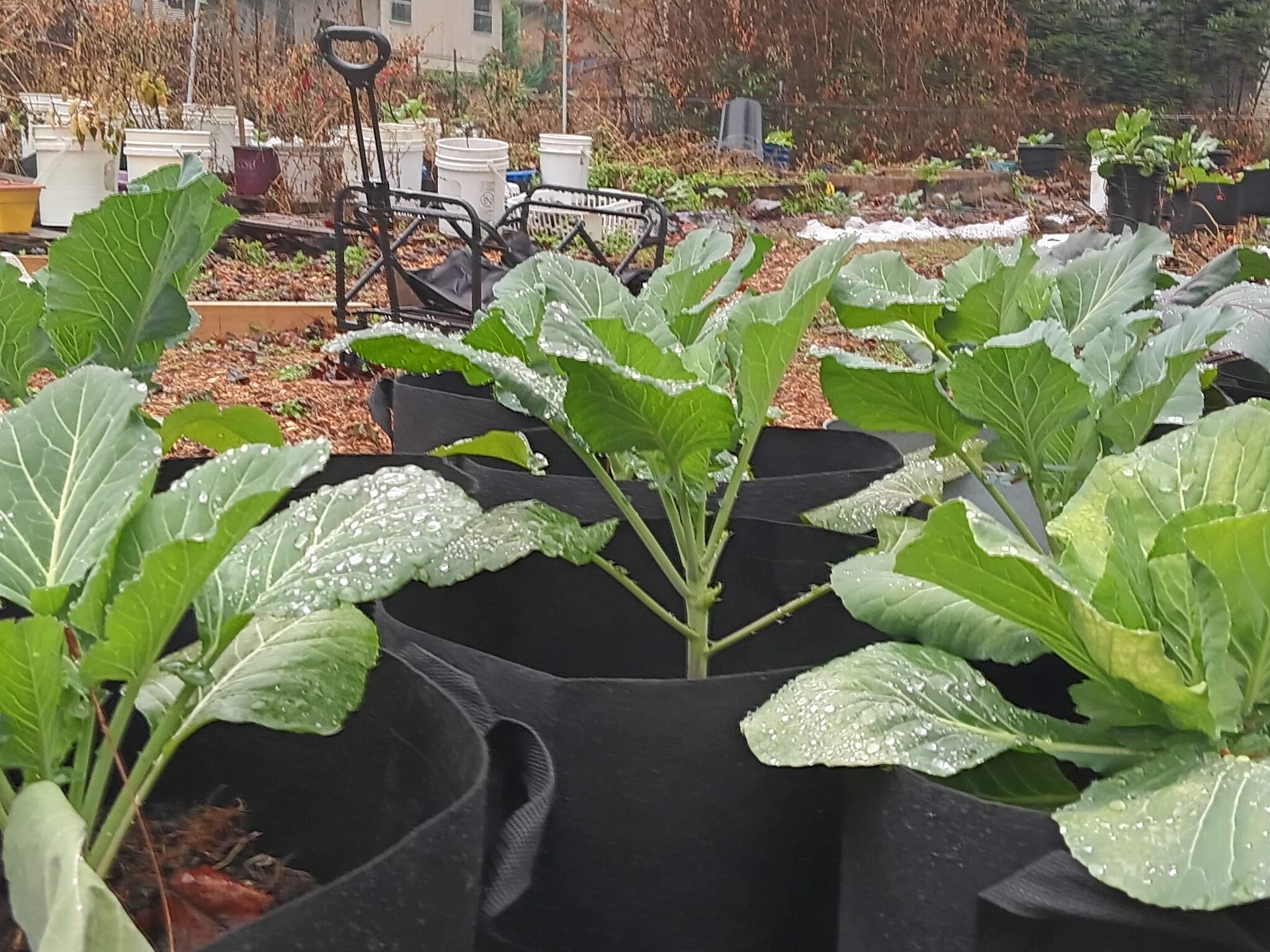
There are mornings in my zone 8b garden when the air feels almost cold on my face, but my brassicas say otherwise. The thermometer at the kitchen window might read a crisp 45°F. The forecast app might paint the day in cool blues. But the plants, sitting in a pocket of damp air, are living closer to 55°F than anyone admits.
“We need the cold,” one old timer likes to remind me. It is a line with decades of crops behind it, a kind of verbal fertilizer sprinkled over every conversation about cabbage and collards. For a long time, I treated that sentence like code: wait for a clean, honest chill before tucking in anything that loves the cold.
The trouble is, the chill itself has changed.
In my lifetime, zone 8b has shifted at least twice on paper, and even more times in feeling. Winters come on later and leave sooner. Humidity hangs around like an extra blanket, turning “cool” nights into something softly, secretly warm. The dry‑bulb temperature still says one thing, but the plants live in another.
So these days, I still listen when the elders talk about cold fronts and brassicas. I just keep one ear on them and one eye on the graph in my weather app. The Ol’ Way has not disappeared here; it is plugged into a new system. What follows is how I garden in the humid cold now, stitching together grandma’s rules, a few cheap sensors, and a lot of trial and error into a practice that actually fits the weather we have.
The old folks had their own kind of AI: elders passing down heuristics like weather lore and planting rules. Their sayings weren’t algorithms, but they worked like code snippets. “We need a good hard frost.” “Don’t plant until after Easter.” “Brassicas like the cold.” Each line was a call to action, a reminder to heed the rhythms of the season.
In the 1920s, bone meal and blood meal were the “formulas” that helped launch home gardening as we know it — simple inputs, surprisingly effective. A century later, plenty of growers still swear by them. Hollis and Nancys Homestead on YouTube carry that torch, demonstrating the Ol’ Way in real time: a scoop of bone meal here, a handful of compost there, and a running commentary full of those old if‑then rules.
The Ol’ Way is less about products and more about patterns. Frost dates scribbled on a calendar. The feel of soil between your fingers. The way a leaf curls to tell you it is thirsty or cold. These rules are the API of gardening wisdom, passed down in porch talk and field notes, half science and half story.
I grew up inside that system. When I quote an elder saying, “We need a good hard frost,” I am not just reaching for a charming line. I am tapping into a living codebase of experience, the heritage script that still underpins everything I do in the garden. These days, though, I am also running new tools on top of that old API — forecasts, cheap sensors, garden apps — because the weather those sayings were written for has changed.
🌍 The New Climate Reality
Zone 8b has pulled a quiet switcheroo at least twice in my lifetime, and with it the rules I thought I could trust. What once felt like crisp, cool air now hides invisible heat — humidity that makes the day feel ten degrees warmer than the thermometer reads. The Ol’ Way says “we need the cold,” but the cold itself has grown slippery.
Concrete mismatches keep piling up:
- Frost dates that slide later and later. Lisa Ziegler at The Gardener’s Workshop taught me the old trick of laying a simple frost barrier and leaving it, but these days Jack Frost does not show up until November. In 2024, he waited until around the 20th.
- Crops bolting earlier than expected. Succession planting can soften the blow, but the rhythm feels off.
- Diseases and pests arriving out of season. Turnip greens with holes in November should not be happening. Yet here we are.
If you garden in a humid cold, you may already feel that mismatch between the calendar and your beds — doing everything “right” and still watching the season slip sideways. The problem is not that the elders were wrong. It is that the weather quietly changed underneath their rules.
This fall I chased the big one — a big Ol’ head of cabbage, the likes of which I had not grown before. My code was succession planting, the Ol’ Way. But I still have not learned exactly when to plant for the head to size up right.
Summer was brutal, not just here but across the U.S. Chicago saw record August temperatures. I thought about starting cabbage then, but cutting back tomatoes, chasing cucumber beetles and pickleworms, and keeping up with watering wore me thin. I water by hand, working from home, because I want that to be my primary method. Rain comes in a pattern of deluge and drought, so container plants sometimes need three passes of water a day. Oddly enough, okra and peppers in the ground thrived, hitting the table shelf and mostly sustaining themselves.
But the cabbage was my quarry.
I finally planted in mid‑September during a cool spell, starting with ten of forty‑five seedlings, then adding more. I leaned on another Ol’ trick: plant a variety of brassicas. Some say purple varieties like Early Acre (mine from Everwilde, in a packet full of beautiful packaging and words of wisdom) can shelter faster growers like Katarina from Hoss Tools. Two weeks in, I saw development. Two weeks later, I could tell I would get more cabbage than before — but the timing window for a truly big head had slipped away.
What I have discovered is that I will need to start cabbages in the heat of August and use mitigations like shade cloth to bring them up. That is the new reality: adapting the Ol’ Way to conditions that no longer match the calendar. Even so, I have already harvested Chinese cabbage this season — proof that growth is still possible, just not on the old schedule.
“The garden suggests there might be a place where we can meet nature halfway.” – Michael Pollan
🌱 Hybrid Practice: Old Wisdom + New Tools
So how do you actually garden in this humid cold, with elders in one ear and an overheating planet in the other? I have started treating my garden like a conversation between old rules and new tools. The Ol’ Way gives me the heuristics, the sayings, the porch‑talk wisdom. The new tools give me data, alerts, and ways to adapt when the weather shifts underneath those rules. Together, they form a hybrid practice.
⏳ Timing cabbages
The old timers say brassicas need the cold, and they are right — but the cold arrives later now, and the window for a big head of cabbage is narrower. I have learned to start in August, even in the heat, and use shade cloth to protect seedlings until the nights cool. Forecast graphs help me decide when to risk planting, and succession planting — an Ol’ Way trick — still gives me backup if the first round bolts.It is a remix: grandma’s rules patched with forecast graphs. For a complete breakdown of timing these shifts, see my A-Z of Spring Gardening guide.
💧 Water and containers
The Ol’ Way taught me to “watch the soil” and water by hand. I still do that, but I have added a rhythm: three passes on container plants during deluge‑and‑drought cycles. A simple moisture meter helps me confirm what my hands already know. The elders’ advice — “do not let it dry out” — becomes a schedule I can track, blending tactile wisdom with a cheap sensor.
🛡️ Protection and microclimates
Old wisdom says “lay the frost cloth and leave it.” I still do, but now I check forecast alerts to know when Jack Frost is actually coming. A cheap sensor tucked in the bed tells me when the microclimate dips below safe levels. The Ol’ Way gave me the cloth; the new tools tell me when to use it. Together, they create a patchwork of protection that feels both timeless and timely.
🌿 A three‑way conversation
I used to think you had to choose between the Ol’ Way and the new tools. Now I see them as a kind of three‑way conversation: elders and neighbors, the plants themselves, and a quiet AI helper that remembers what I forget. As a fledgling writer, I get to wander through the garden in an expansive, story‑drunk way, while the machine keeps the ledger — dates, temps, failures, little wins. The garden is my field, the blog is my logbook, and the AI is my chronicler.
But here is the truth I am learning: you do not have to garden or write alone. The elders lend us their rules. The garden offers its feedback. And the AI can sit in the background as a steady logger, so you and I are free to wander, notice, and make meaning.
“When the calendar and the climate mismatch, how do brassicas thrive? Learn how to navigate shifting frost dates and invisible heat in Zone 8b by blending old-timer techniques with new technology.”
Leave a Reply